Practical architectural patterns and tech stacks to modernize your financial operations.
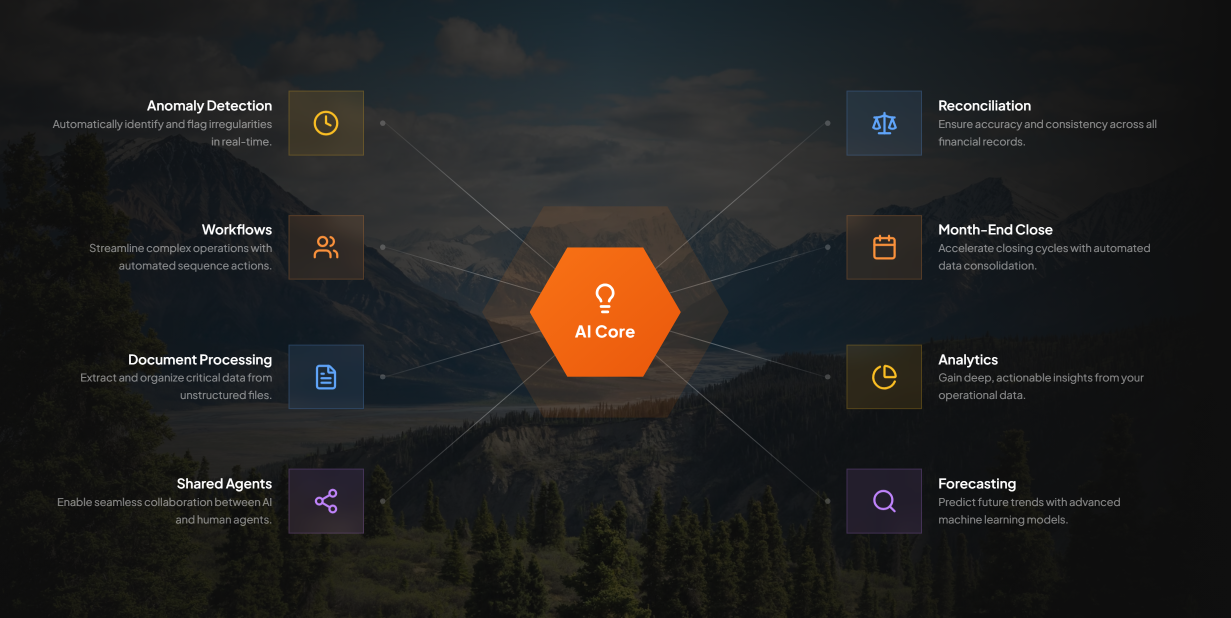
Finance teams spend hours manually matching bank statement lines with GL transactions, leading to slow closes and potential for human error.
Python, Pandas, AWS Textract, FuzzyWuzzy logic.
PDF Bank Statements -> AWS Textract (OCR) extracts transaction tables -> Pandas cleans and standardizes dates/amounts -> Fuzzy matching algorithm compares with ERP ledger data -> High confidence matches are auto-reconciled -> Exceptions flagged for review.
Estimating unbilled expenses (accruals) is often a guessing game, resulting in inaccurate P&L statements during the close process.
Scikit-learn (Regression), BigQuery, Airflow.
Historical AP invoice data ingested -> Feature engineering (seasonality, vendor history, open POs) -> Machine Learning Regression Model -> Predicts accrual amounts for unbilled services -> Generates Journal Entry proposals for approval.
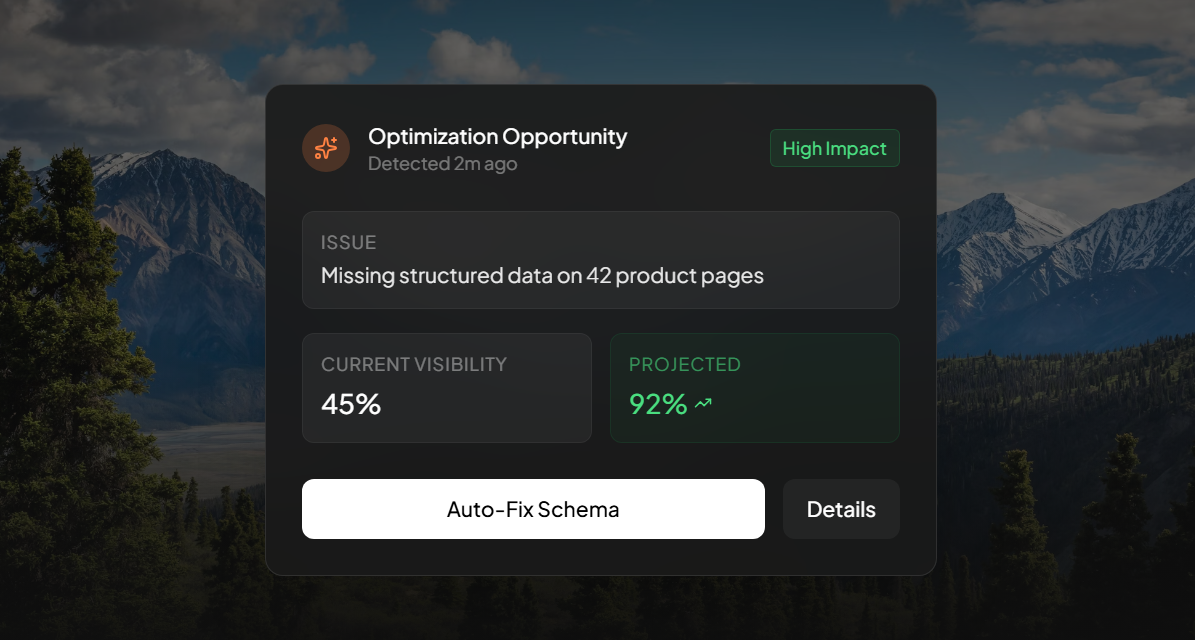
Manual review of thousands of GL lines fails to catch subtle coding errors or potential fraud, risking financial integrity.
TensorFlow (Autoencoder), DBT, Snowflake.
Raw GL transactions stream to Snowflake -> DBT transforms data for model -> Autoencoder Neural Network learns 'normal' transaction patterns -> High reconstruction error flags anomalies (e.g., wrong department, unusual amount) -> Alert sent to Controller.
Data entry from invoices with varying layouts is time-consuming and prone to typos.
Azure AI Document Intelligence, Logic Apps, ERP API.
Invoices arrive via email -> Logic App triggers Document Intelligence -> AI extracts key fields (Invoice #, Date, Line Items) regardless of format -> Validation rules check PO alignment -> Data pushed directly to NetSuite/SAP.
Spreadsheet-based forecasts can't easily incorporate complex variables like market indices or pipeline probabilities.
Prophet (Time Series), Spark, Tableau.
Ingest Bank History + CRM Sales Pipeline + Macro Indices -> Prophet Time Series Model decomoses trends and seasonality -> Generates 13-week cash position forecast -> Visualized in Tableau for CFO gaming.
Auditing 100% of expense reports is impossible; sampling leaves gaps for policy violations.
OpenAI GPT-4, Vector Database (Pinecone).
Policy Document embedding in Vector DB -> Employee runs expense report -> Expense description & receipt text embedded -> Semantic Search against Policy Rules -> GPT-4 evaluates compliance -> Flags 'Dinner over limit' or 'Alcohol not allowed'.
Finance revenue projections often miss the risk of customer churn until it's too late.
Random Forest Classifier, Salesforce Data.
Billing history + Support ticket frequency + Usage stats -> Random Forest Model calculates specific churn probability -> High risk accounts flagged to Customer Success -> Financial forecast adjusted for potential revenue loss.
Manual credit checks slow down the sales cycle and onboarding of new B2B customers.
XGBoost, D&B API, Python.
New Customer Application -> Script calls D&B/Experian API for credit history -> XGBoost model combines external data with internal risk criteria -> Assigns Credit Limit & Payment Terms automatically.
Gathering and formatting data for regulatory reports (10K, 10Q, Tax) is a manual, copy-paste nightmare.
Python, XBRL Libraries, Workiva API.
Source Systems (ERP, HR, CRM) -> Aggregation Python Script -> Data Mapped to Standard XBRL Taxonomy -> Automated draft generation in Reporting Tool -> Final human review and submission.
Revenue leakage often occurs because finance isn't aware of specific terms (CPI increases, renewal dates) in old PDF contracts.
LangChain, LLM, OCR.
PDF Contract Repository -> OCR text extraction -> LLM (e.g., Claude/GPT) prompted to find 'Price Increase Clauses' and 'Renewal Dates' -> Structured data extracted to ERP Contract Master -> Auto-alerts set for renewal window.
Access the full library of 101 Gen AI blueprints and start your transformation.